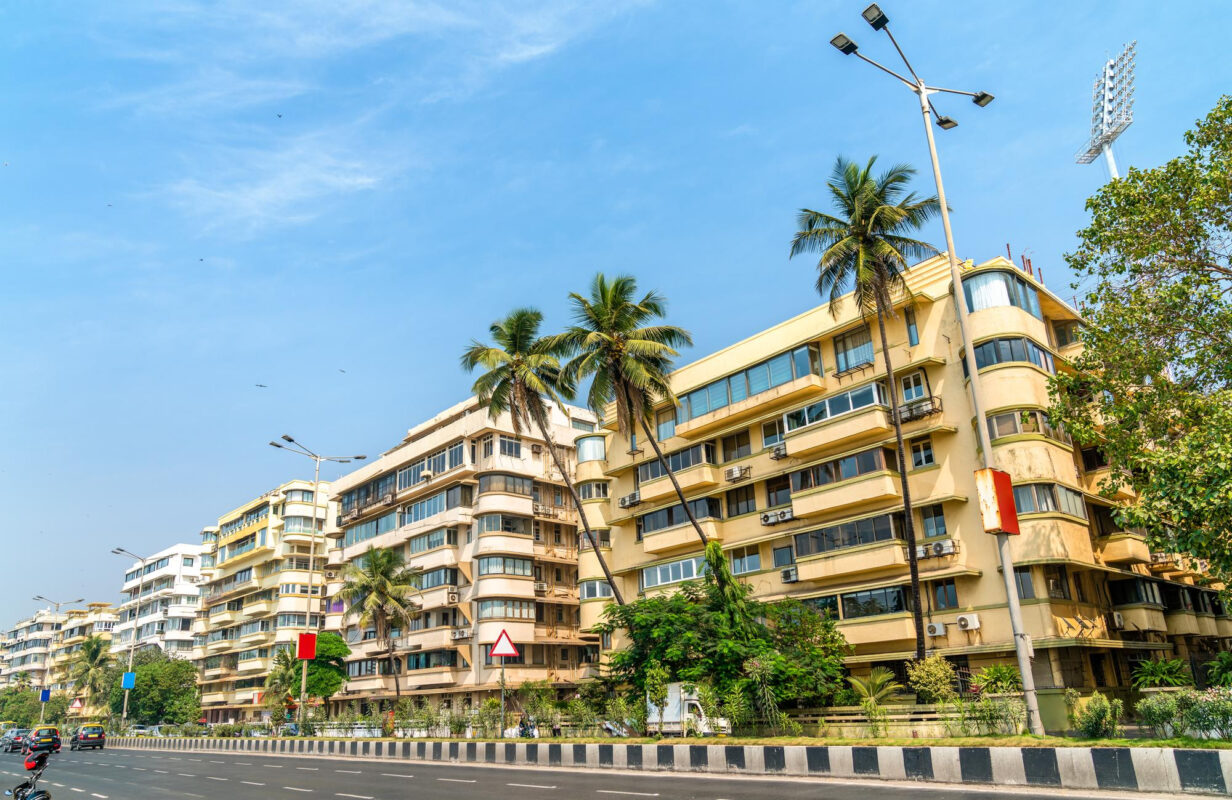



Legal Checklist for Buying Residential Property in Mumbai


Buying residential property in Mumbai is one of the most important financial decisions you will make, especially in a city where property values are high and legal complexities are common. Whether you are a first-time buyer or an experienced investor, skipping legal due diligence can lead to costly disputes, delays, or even loss of ownership.
When buying residential property in Mumbai, legal verification is just as important as choosing the right location or builder. In this guide, Mumbai Realty outlines a clear legal checklist every buyer should follow to ensure a safe, compliant, and stress-free purchase.
Why Legal Due Diligence Is Crucial When Buying a Home in Mumbai
Mumbai’s real estate market has evolved significantly, but it still involves complex land histories, redevelopment projects, and regulatory approvals. Many legal issues arise not because buyers act carelessly, but because they rely on incomplete information.
Legal due diligence helps buyers:
- Confirm rightful ownership
- Avoid disputed or encroached land
- Ensure the project complies with regulations
- Protect long-term resale and inheritance rights
A legally clean property gives peace of mind and long-term security.
Legal Checklist for Buying Residential Property in Mumbai
Verify RERA Registration
All residential projects in Mumbai must be registered under RERA (Real Estate Regulatory Authority). Buyers should verify the project’s RERA number on the official MahaRERA website.
This confirms:
- Approved plans and timelines
- Promised amenities
- Builder accountability
Never proceed with booking without RERA verification.
Check Title and Ownership Documents
Clear title is the foundation of a safe property purchase. Buyers should ensure that the seller or developer has undisputed ownership of the land.
Important documents include:
- Title deed
- Chain of ownership records
- Sale agreements of previous transactions
A property lawyer should review these documents carefully.
Verify Land Use and Zoning Approvals
The land on which the building is constructed must be approved for residential use. Zoning and land-use approvals ensure the project complies with municipal and state regulations.
This is especially important in redevelopment zones and mixed-use areas.
Approved Building Plans and Layouts
Always verify that the building plans are approved by the local municipal authority. Unauthorized changes or deviations can lead to penalties or demolition notices.
The apartment layout, carpet area, and floor plans must match approved documents.
Occupancy Certificate (OC) or Completion Certificate (CC)
For ready-to-move properties, an Occupancy Certificate or Completion Certificate confirms that the building is fit for residential use.
Without an OC:
- Utilities may be restricted
- Resale becomes difficult
- Legal risks increase
Buyers should avoid properties lacking these certificates.
Review the Agreement for Sale Carefully
The Agreement for Sale defines your rights and obligations as a buyer. It must be reviewed thoroughly to avoid unfair clauses.
Key areas to check include:
- Possession date
- Penalty clauses for delays
- Carpet area definition
- Payment schedule
Verbal assurances should never replace written agreements.
Stamp Duty and Property Registration
Stamp duty and registration make the transaction legally valid. Buyers must ensure correct stamp duty is paid and the agreement is registered with the sub-registrar.
Unregistered agreements have no legal standing in property disputes.
Home Loan and Bank Approval Check
If a bank approves a project for home loans, it indicates basic legal verification has been completed. While this does not replace independent due diligence, it adds an extra layer of safety.
Always cross-verify bank approvals with legal checks.
Legal Checks for Under-Construction vs Ready-to-Move Homes
Under construction properties require closer scrutiny of approvals, timelines, and escrow arrangements under RERA. Ready-to-move homes require checks related to occupancy certificates, society formation, and maintenance liabilities.
Each category carries different risks and must be evaluated accordingly.
How Builder Credibility Impacts Legal Safety
Choosing a reputed developer significantly reduces legal risk. The best builders in Mumbai typically have:
- Clear land titles
- Strong compliance history
- On-time delivery records
Researching past projects and legal track records helps buyers make safer decisions.
Choosing the Best Area to Live in Mumbai from a Legal Perspective
The best area to live in Mumbai is not just about lifestyle it’s also about legal clarity. Established suburbs often have cleaner documentation compared to redevelopment-heavy pockets.
Buyers should evaluate:
- Land history
- Society formation
- Past litigation in the area
A legally secure locality also ensures better resale value.
Common Legal Mistakes Homebuyers Make in Mumbai
Some common mistakes include:
- Skipping independent legal review
- Trusting verbal commitments
- Ignoring redevelopment clauses
- Buying based solely on price discounts
These mistakes often result in long-term complications.
How Mumbai Realty Helps Buyers Avoid Legal Risks
At Mumbai Realty, legal due diligence is a core part of the advisory process. Buyers are guided through:
- RERA verification
- Document checks
- Builder credibility assessment
- Agreement review coordination
The focus is on helping buyers purchase legally sound residential property in Mumbai with confidence.
Final Thoughts: Legal Clarity Is Non-Negotiable
In a high-value market like Mumbai, legal verification is not optional it is essential. A legally clean home protects your investment, ensures smooth ownership transfer, and secures long-term peace of mind.
If you are planning to buy residential property in Mumbai, make legal due diligence your top priority.
FAQs
Q1. What legal documents are required to buy residential property in Mumbai?
Key documents include the title deed, RERA registration details, approved building plans, agreement for sale, occupancy or completion certificate, and stamp duty–registered sale agreement.
Q2. Is RERA registration mandatory for residential property in Mumbai?
Yes. All residential projects in Mumbai must be registered under MahaRERA. Buyers should verify the RERA number to ensure project approvals, timelines, and builder accountability.
Q3. How can I verify if a builder is legally reliable in Mumbai?
Check the builder’s past project delivery record, RERA compliance history, land title clarity, and approvals. Reputed developers with a clean legal track record reduce ownership risk.
Q4. Is it safe to buy property in redevelopment projects in Mumbai?
Redevelopment projects can be safe if RERA-registered and backed by a reputable developer. Buyers should carefully review consent terms, timelines, and possession clauses before proceeding.
Q5. Which areas in Mumbai have fewer legal risks for homebuyers?
Established suburbs with completed infrastructure, registered societies, and clear land titles typically have fewer legal risks than redevelopment-heavy or newly converted zones.
Q6. Can I buy residential property in Mumbai without a lawyer?
While not mandatory, hiring a property lawyer is strongly recommended. Legal experts help verify documents, identify risks, and ensure agreements protect buyer interests.
Q7. What is the importance of an Occupancy Certificate (OC)?
An Occupancy Certificate confirms the building is fit for residential use. Without an OC, utility connections, resale, and legal ownership can become problematic.